Trending
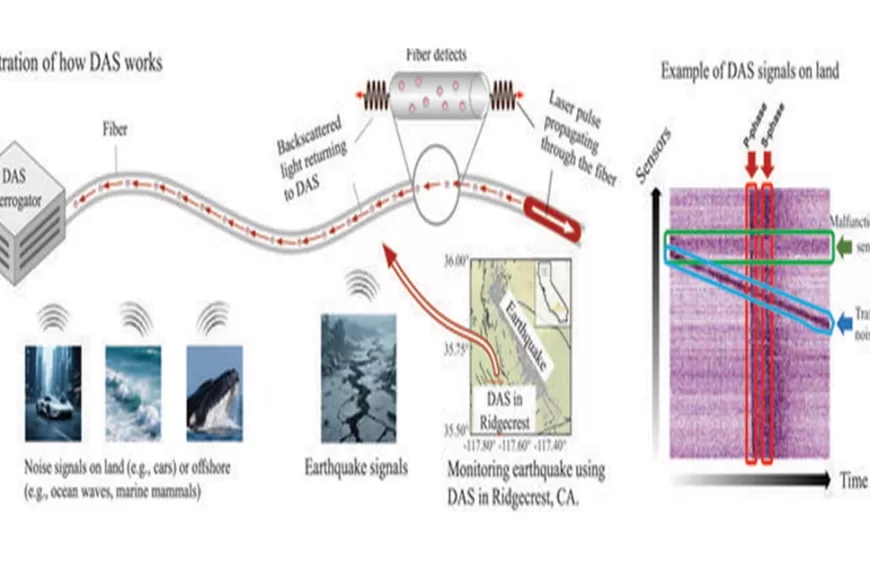
The self-taught seismologist: Monitoring earthquakes from optic fibers with AI
Seismology is undergoing significant change with the rise of Distributed Acoustic Sensing (DAS), a fast-growing technology that leverages…

New Tech Tool Helps UK Police Identify Victims of Sexual Exploitation
A cutting-edge analytical tool developed by researchers at the University of Sheffield is helping police forces across the…
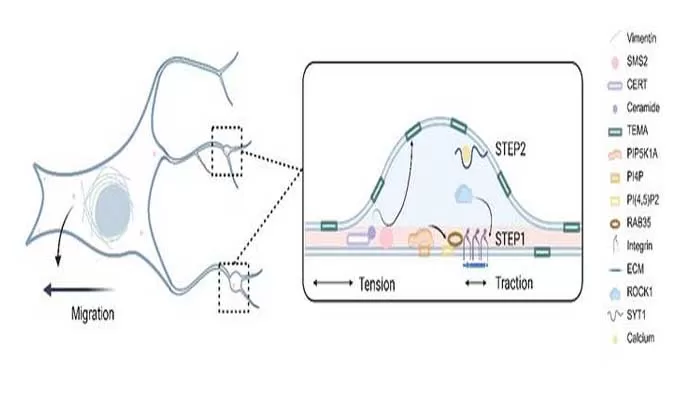
Migrasomes: Cellular Voyagers Shaping Health and Disease
First identified in 2015, migrasomes are a newly discovered class of membrane-bound vesicles that form along the trails…

Could a primordial black hole’s last burst explain a mysteriously energetic neutrino?
Cambridge, Mass. — The last gasp of a primordial black hole may be the source of the highest-energy…

IAEA Boosts Nuclear Power Forecasts for Fifth Straight Year Amid Global Energy Shift
VIENNA — The International Atomic Energy Agency (IAEA) has raised its global nuclear power projections for the fifth…

MIT geologists discover where energy goes during an earthquake
Cambridge, Mass. — The ground-shaking that an earthquake generates is only a fraction of the total energy that…
Culture
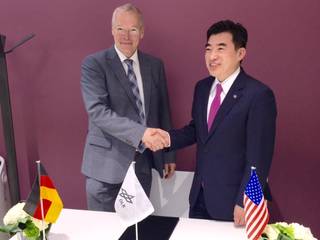
NASA, German Aerospace Center Partner for Research into Advanced Aircraft
NASA and the German Aerospace Center (DLR) have signed agreements to work together to reduce aircraft noise and advance research into rotorcraft, two projects that extend years of vital cooperation between the two agencies. The agreements were signed at the Paris Air Show during a bilateral meeting between Jaiwon Shin, associate administrator for NASA’s Aeronautics […]
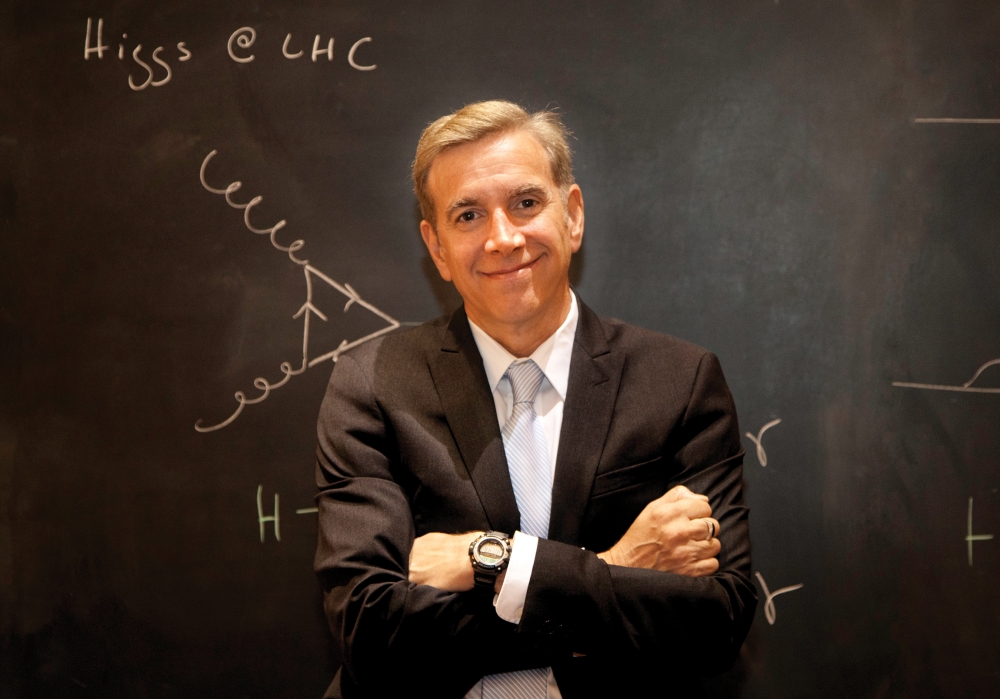
GOD OF SMALL THINGS
KATYAYANI CHOWDHRY | On 3rd June, 2015, CERN (European Organisation For Nuclear Research) restarted its LHC (Large Hadron Collider), after a two-year hiatus of technical upgrades, to run non-stop for…
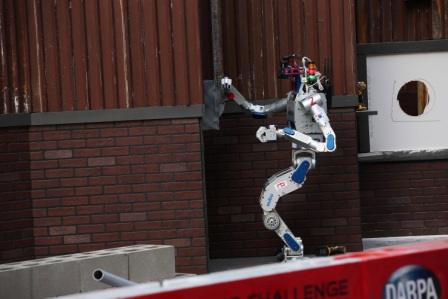
Team KAIST wins the DARPA Robotics Challenge 2015
DRC-HUBO finished all eight assignments in less than 45 minutes, taking first place among 24 international teams and claiming the USD 2 million prize offered by a US defense research…
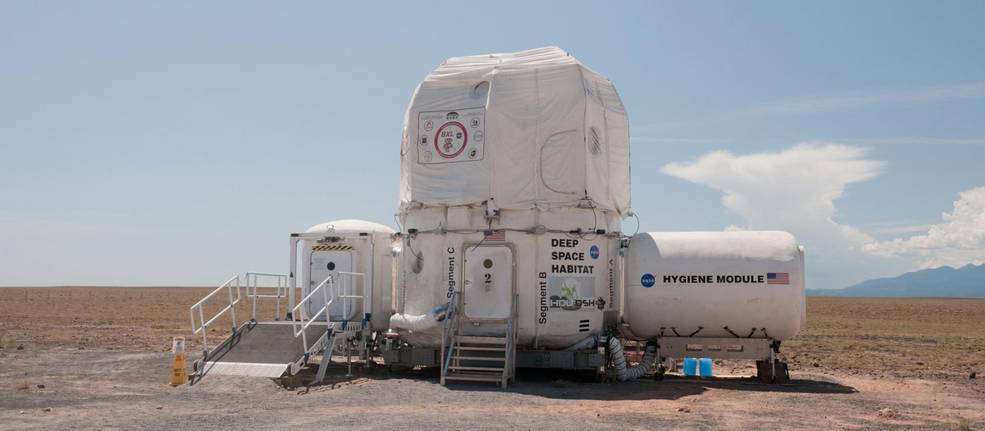
NASA Selects Eight Projects for 2016 X-Hab Academic Innovation Challenge
NASA is working with eight U.S. universities on new technology projects for deep space exploration, including the agency’s journey to Mars, as part of the 2016 X-Hab Academic Innovation Challenge.…